Mountaineering on a Budget: How Far Can $2,000 Take You? Cheapest Mountains to Climb (2026)
By Blake Penson · August 20, 2026
Category: expedition-costs
6 min read
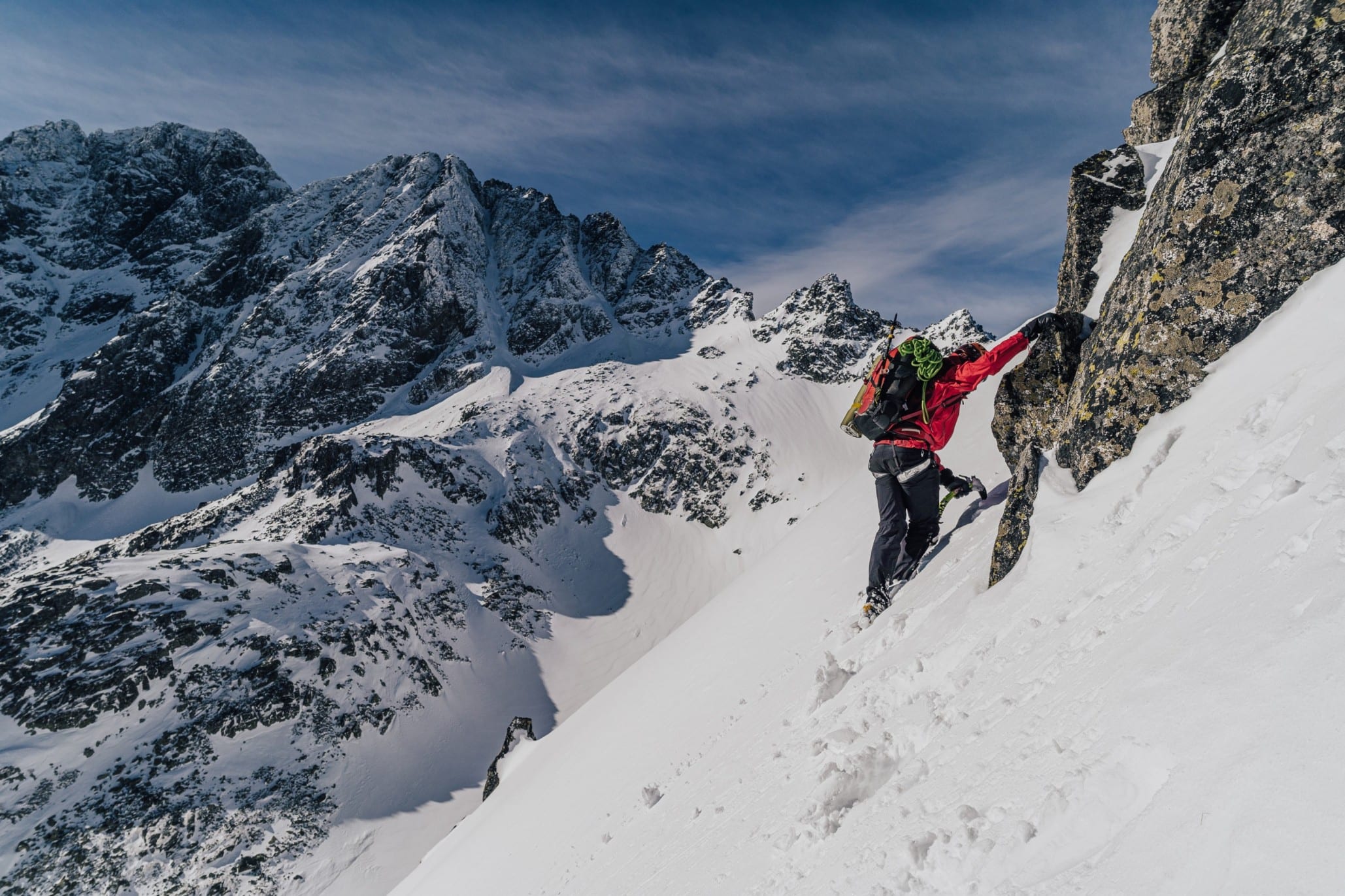
US$2,000 can take you a surprisingly long way in mountaineering, as long as you choose the right peak and do not count international flights. On that budget you can climb Mount Toubkal (4,167 m) in Morocco, Mount Fuji in Japan, Mount Meru (4,566 m) in Tanzania or Huayna Potosí (6,088 m) in Bolivia with a local guide, or walk independently to Everest Base Camp with a guide-porter. A budget Kilimanjaro climb is possible but tight, because park fees alone take a large share. What $2,000 will not buy is an expedition to Aconcagua, Denali, any 8,000 m peak or Everest itself. Mountaineering is expensive mainly because of permits, guides, travel and gear. The way to save is to pick cheaper peaks, rent gear, travel in a group and book reputable local operators directly.
This guide covers the official 2026 fees for the most popular budget objectives, sample budgets, the cheapest mountains to climb by region, how to save on gear and courses, and where cutting costs becomes dangerous.
Quick answer: what can $2,000 buy? | Objective | Within $2,000 (excluding international flights)? | |---|---| | Toubkal, Morocco (4,167 m) | Yes, comfortably | | Mount Fuji, Japan (3,776 m) | Yes, comfortably | | Huayna Potosí, Bolivia (6,088 m) | Yes, comfortably | | Mount Meru, Tanzania (4,566 m) | Usually yes | | Everest Base Camp trek, Nepal | Yes, as an independent trek with a guide-porter | | Kilimanjaro, Tanzania (5,895 m) | Only at the cheapest end; check operator ethics | | Mont Blanc with a guide | Usually no | | Aconcagua, Denali, 8,000 m peaks, Everest | No |
Is mountaineering expensive?
It can be very expensive, but it does not have to be. Costs range from almost nothing for a day hike on a local hill to more than US$100,000 for a premium guided Everest expedition. The big cost drivers are:
| Cost | Why it matters |
|---|---|
| Permits and park fees | Set by governments; unavoidable on many famous peaks |
| Guides and porters | Mandatory on some mountains; a major share of most trip prices |
| International and domestic flights | Often the largest single cost for overseas trips |
| Gear | Technical boots, down clothing and hardware are expensive to buy |
| Training and courses | Essential for safety on glaciated and technical peaks |
| Insurance and rescue cover | Non-negotiable for high mountains |
| Time | Longer trips cost more in accommodation, food and lost earnings |
To see how high costs go at the top end, read how much it costs to climb Mt Everest. Alpine Ascents lists its 2026 Everest expedition at US$80,000, and the Nepal government permit alone costs US$15,000 in spring.
Everest Base Camp on a budget
The Everest Base Camp trek is one of the world's great mountain journeys and can be done for well under US$2,000 on the ground.
Official fees and typical costs
| Item | Cost |
|---|---|
| Sagarmatha National Park entry | NPR 3,000 per person |
| Khumbu Pasang Lhamu Rural Municipality fee | NPR 3,000 per person (NPR 2,000 for SAARC and Chinese nationals) |
| Kathmandu–Lukla flights | Around US$180–200 each way, as listed by operators in 2026 |
| Teahouse rooms | Often cheap, on condition that you eat meals at the lodge |
| Meals, hot water, charging, Wi-Fi | The real daily cost; prices rise with altitude |
Prices for food and services in the Khumbu change every season, so check recent trip reports before you set a daily budget.
How to save on Everest Base Camp
- Hire a guide-porter directly through a licensed local agency rather than booking a full international package.
- Travel in spring or autumn shoulder dates for better availability.
- Carry a water filter or purification tablets instead of buying bottled water.
- Eat dal bhat, the local rice and lentil meal, which usually comes with refills.
- Limit paid extras such as hot showers, charging and Wi-Fi.
- Consider walking in from Jiri or Phaplu to avoid one or both Lukla flights; this takes extra days but cuts flight costs.
Compare verified reviews of EBC operators on ExpedReview.
Kilimanjaro on a budget
Kilimanjaro (5,895 m) is Africa's highest mountain and one of the most popular Seven Summits. It can only be climbed with a licensed guide, and government fees make it hard to do cheaply.
Kilimanjaro National Park fees (non-residents)
| Fee | Amount |
|---|---|
| Conservation fee | US$70 per person per day |
| Camping fee | US$50 per person per night |
| Rescue fee | US$20 per person per trip |
| VAT | 18% on park fees |
On a seven-day route, park fees alone come to more than US$1,000 per person before guides, porters, food, transport and tips. Budget climbs therefore usually use shorter routes or cut back on staff pay and conditions. Avoid operators whose prices look too low to pay porters fairly. Look for membership of the Kilimanjaro Porters Assistance Project (KPAP) Partner for Responsible Travel programme.
Shorter routes also reduce acclimatisation and the chance of summiting. Spending a little more on an extra day can be the best value decision you make.
The cheapest mountains to climb
Mount Toubkal, Morocco (4,167 m)
North Africa's highest peak is a short drive from Marrakech. The standard route is non-technical in summer and usually takes two days from the village of Imlil, with a night at a refuge. Local guided trips are widely available and inexpensive. Winter ascents need crampons and an ice axe.
Mount Fuji, Japan (3,776 m)
Japan's highest mountain is climbed by thousands of people each summer. Since 2025, climbers on the Yoshida Trail pay a ¥4,000 fee, and daily numbers are limited. No guide is needed in the official season (roughly July to early September), and huts provide basic accommodation.
Mount Meru, Tanzania (4,566 m)
Africa's fifth-highest mountain sits in Arusha National Park. It is a popular acclimatisation climb before Kilimanjaro but is also worth climbing on its own, with views of Kilimanjaro from the summit. An armed ranger must accompany climbers. The Arusha National Park conservation fee for non-resident adults is US$50 per person per day in high season and US$45 in low season, according to TANAPA.
Huayna Potosí, Bolivia (6,088 m)
Often called one of the most accessible 6,000 m peaks, Huayna Potosí lies about 25 km north of La Paz. Local operators run two- and three-day guided climbs with gear rental. The three-day option includes a day of glacier training and is better for acclimatisation. It is a glaciated peak with crevasses and a steep final ridge, so choose an experienced, reputable guide.
Mount Elbrus, Russia (5,642 m)
Europe's highest mountain is technically straightforward on its standard south route and was long seen as good value. However, many governments currently advise against all travel to Russia, and travel insurance may not cover you. Check your government's advice before considering Elbrus.
Other budget-friendly mountains
| Mountain | Country | Height | Why it is good value |
|---|---|---|---|
| Ben Nevis | UK | 1,345 m | Free, no permit; serious winter mountain |
| Mount Kosciuszko | Australia | 2,228 m | Park entry fee only; easy summer walk |
| Mount Olympus | Greece | 2,918 m | Hut-based; no permit needed |
| Gran Paradiso | Italy | 4,061 m | One of the easier Alpine 4,000 m peaks |
| Pico de Orizaba | Mexico | about 5,636 m | Mexico's highest; glaciated, needs experience |
| Mount Kinabalu | Malaysia | 4,095 m | Permit, guide and hut booking required |
| Mount Rinjani | Indonesia | 3,726 m | Popular volcano trek with local operators |
The cheapest mountains to climb in Europe
Europe is ideal for budget mountaineering if you have your own skills and gear, because huts, public transport and well-marked routes keep costs down. Good-value options include:
- Gran Paradiso (4,061 m), Italy: often climbed as a first Alpine 4,000 m peak.
- The Breithorn (4,164 m), Switzerland/Italy: a short glacier climb from the Klein Matterhorn lift; lift tickets add cost.
- Mount Olympus (2,918 m), Greece.
- Triglav (2,864 m), Slovenia: a via ferrata-style ascent.
- Ben Nevis (1,345 m), UK.
Hiring a mountain guide in the Alps is expensive, so the cheapest way to climb there is to learn the skills first and climb with experienced friends or a club.
What is the cheapest way to climb Mont Blanc?
The cheapest way is to climb without a guide, with a partner who has the right skills and experience, staying in huts booked well in advance. That is only sensible for experienced alpinists; the Goûter route has serious rockfall danger in the Grand Couloir. Most first-time climbers hire a guide, which costs much more. See our Mont Blanc guide.
The cheapest 6,000 m peaks
6,000 m peaks are where budget mountaineering gets exciting:
| Peak | Country | Height | Notes |
|---|---|---|---|
| Huayna Potosí | Bolivia | 6,088 m | Short trip from La Paz; local guides |
| Island Peak (Imja Tse) | Nepal | 6,165 m | Nepal climbing permit required; often combined with EBC |
| Mera Peak | Nepal | 6,476 m | Non-technical glacier climb; Nepal permit required |
| Chimborazo | Ecuador | 6,263 m | Requires a guide by law |
| Stok Kangri | India | 6,153 m | Closed to expeditions; Leh district ordered a permanent closure in December 2023 |
Many older budget guides recommend Stok Kangri in Ladakh. It has been closed since 2020, and a Leh district order of 19 December 2023 made the closure permanent. Do not book a Stok Kangri trip unless an operator can show newer written official permission.
Budget mountaineering by region
Nepal
Nepal offers some of the best-value mountain experiences in the world. Trekking routes such as Everest Base Camp, Annapurna Base Camp and the Annapurna Circuit use teahouses, so you do not need to carry a tent or food. Trekking peaks such as Island Peak and Mera Peak need a climbing permit and a guide, but guided climbs cost far less than comparable trips in the Alps or North America. Remember that a licensed guide has been mandatory for foreign trekkers in national parks and conservation areas since 1 April 2023.
South America
Bolivia, Ecuador and Peru are excellent for budget high-altitude climbing. La Paz is the base for Huayna Potosí and other Cordillera Real peaks; Ecuador's volcanoes are close to Quito; and Huaraz in Peru is the hub for the Cordillera Blanca. Local guiding and gear rental are relatively inexpensive, and accommodation in mountain towns is cheap. Aconcagua (6,961 m) is the exception: the climbing permit alone costs well over US$1,000 in high season, and full expeditions cost much more.
Africa
Toubkal and Meru are the best-value summits. Kilimanjaro is more expensive because of park fees. Mount Kenya is another option for experienced trekkers, with its trekking summit Point Lenana (4,985 m).
India
India's Himalaya offers many 5,000–6,000 m trekking peaks and mountaineering courses at low cost, but permits and rules vary by state and change frequently, and some popular peaks, such as Stok Kangri, have been closed. Check current rules with the Indian Mountaineering Foundation and local authorities before planning.
South Africa
South Africa has no snow-capped high peaks, but the Drakensberg offers excellent hiking, scrambling and rock climbing, and the Mountain Club of South Africa runs courses and meets. Many South African climbers then travel to Kilimanjaro or Mount Kenya for their first high summits.
North America and Europe
Guided climbing in the US, Canada and the Alps is expensive. The budget approach is to learn skills through clubs and courses, then climb with experienced partners and use huts and public campsites.
Timing: off-peak travel
Travelling outside peak periods can save on flights and accommodation. In Nepal, early spring and late autumn dates can be quieter and cheaper. Be careful, though: off-peak can also mean bad weather. The monsoon brings rain, leeches and cancelled flights to Nepal's lower trails in summer, and winter brings cold and snow to high passes. Choose shoulder seasons, not unsafe ones.
Volunteering and conservation trips
Some mountain conservation and clean-up projects cover part of volunteers' costs or offer reduced fees in exchange for help. Opportunities vary from year to year, so check carefully what is included, who runs the project and how your work will be used. Volunteering can be a meaningful way to give back, but it should be chosen for its value to the community and environment, not just as a cheap holiday.
Alpine-style climbing for experienced climbers
Experienced climbers can save significantly by climbing alpine-style: travelling light, carrying their own gear, and not relying on guides or porters. This is cheaper but demands much more skill, fitness and judgement, and it is not suitable for beginners. Classic routes in the Alps and Andes have long been climbed this way by club climbers on tight budgets.
The cheapest 8,000 m peak to climb
No 8,000 m peak fits a US$2,000 budget. Cho Oyu and Manaslu are usually the least expensive guided 8,000 m expeditions, but they still cost many times more. Read climbing the 14 eight-thousanders.
What is the cheapest way to climb Everest?
There is no cheap way. In spring the Nepal permit alone costs US$15,000, and climbers must use a licensed guide, plus oxygen, Sherpa support, base camp services, rescue insurance and gear. Cheaper Nepali-run expeditions cost much less than premium Western ones, but still far more than this budget. See how much it costs to climb Mt Everest and the Everest permit fee guide.
How much does mountaineering gear cost?
Gear is one of the biggest costs for new mountaineers, but beginners rarely need to buy everything at once.
| Category | Buy or rent? |
|---|---|
| Hiking boots, base layers, waterproofs, rucksack | Buy; you will use them on every trip |
| Sleeping bag and down jacket | Rent for occasional high-altitude trips |
| Mountaineering boots, crampons, ice axe, harness, helmet | Rent until you know what you need |
| Expedition down suit and 8,000 m boots | Rent or buy second-hand |
Rental shops are common in Kathmandu, Moshi, Marrakech, La Paz, Chamonix and other mountain towns, and many operators include technical gear. Check rental gear carefully for fit and condition. For a full gear list, see mountaineering backpack essentials.
Mountaineering courses on a budget
Training is the one area where you should not cut corners, but there are ways to keep costs down:
- Join a mountaineering club. Many offer cheap courses, shared transport and experienced partners.
- National mountaineering institutes in India, such as the Nehru Institute of Mountaineering in Uttarkashi and NIMAS in Dirang, offer basic courses that are popular for their value; check eligibility and current fees with each institute.
- Take a combined course and climb, where an operator teaches glacier skills and then guides you on a peak.
- Learn navigation and rope skills locally before travelling.
Read skills you need before going on a mountaineering trip.
How to start mountaineering on a budget
- Start walking up local hills with a rucksack. It is free and builds fitness.
- Join a club to meet partners and learn skills cheaply.
- Buy only the basics at first, then rent technical gear.
- Do a multi-day trek such as EBC or a hut-to-hut route in Europe.
- Climb a non-technical summit such as Toubkal, Fuji or Meru.
- Take a basic mountaineering course before any glaciated peak.
- Progress to a 6,000 m peak such as Huayna Potosí or Mera Peak.
For more, read a beginner's guide to mountaineering and training for mountaineering.
Ten ways to save money on mountaineering
- Choose cheaper countries. Nepal, Morocco, Bolivia and Ecuador offer much lower guiding costs than the Alps or North America.
- Book local operators directly, after checking verified reviews.
- Join group trips to share guide, transport and logistics costs.
- Travel off-peak for cheaper flights and accommodation, while checking that conditions are safe.
- Rent technical gear rather than buying it.
- Buy used gear from reputable second-hand sellers, but never second-hand ropes or harnesses of unknown history.
- Use public transport to trailheads where possible.
- Cook your own food in huts or campsites that allow it.
- Combine objectives in one trip, such as EBC with Island Peak.
- Build skills at home so you need less guiding abroad.
Common budget mistakes
- Forgetting the hidden costs. Visas, tips, airport transfers, extra hotel nights, gear rental, snacks and charging fees add up quickly. Add a contingency of at least 10–15% to any budget.
- Choosing the cheapest operator without checking reviews. A low price can mean poor safety, underpaid staff or hidden extras. Read verified reviews and ask exactly what is included.
- Skipping acclimatisation days. Shorter itineraries are cheaper but reduce your chances of summiting and increase the risk of altitude sickness.
- Buying the wrong gear. Expensive purchases made before you know what you need often end up unused. Rent first.
- Underinsuring. Many standard travel policies exclude trekking above a certain altitude or climbing with ropes and crampons. Read the small print.
- Ignoring weather and season. Cheap off-season trips can turn into expensive failures if conditions are poor.
- Not budgeting for tips. On Kilimanjaro and in Nepal, tips are an important part of guides' and porters' income. Plan for them from the start.
Where you should never cut costs
- Rescue and travel insurance. Helicopter evacuation from the high mountains can cost thousands of dollars. Check that your policy covers the altitude and activity.
- Guide quality and staff welfare. Cheap operators may underpay porters, cut corners on safety or use poorly trained guides.
- Acclimatisation days. Rushing to save a day increases the risk of altitude sickness.
- Critical safety gear: helmets, harnesses, crampons that fit your boots, and proper sleeping bags.
Is mountaineering a sport?
Yes. Mountaineering is a sport and a recreational activity. The International Climbing and Mountaineering Federation (UIAA) is recognised by the International Olympic Committee, and UNESCO has listed alpinism as intangible cultural heritage. Unlike most sports, mountaineering has few formal competitions; success is measured by ascents and by coming home safely.
How do mountaineers make money?
Most climbers pay for their own trips. Professional mountaineers usually earn a living through guiding, sponsorship, speaking, writing, photography and filmmaking, or by running expedition companies. Only a small number of climbers earn a full living from mountaineering itself.
Planning your budget step by step
- Choose the objective based on your experience, not just price.
- List the fixed costs: permits, park fees and mandatory guides, using official sources.
- Get two or three quotes from reputable operators and compare exactly what each includes.
- Add travel costs: international and domestic flights, transfers and visas.
- Add gear: what you own, what you will rent and what you must buy.
- Add insurance and contingency.
- Decide where to save, without touching safety, acclimatisation or staff welfare.
Sample budgets
Two weeks: Everest Base Camp trek (independent with a guide-porter)
| Item | Notes |
|---|---|
| Park and municipality fees | NPR 6,000 in total |
| Lukla return flights | Around US$360–440 return in 2026 operator listings |
| Guide-porter | Book through a licensed agency; agree a daily rate, insurance and tip in advance |
| Teahouses and food | Budget more as you go higher |
| Kathmandu hotel nights | Wide range of budget options |
One week: Toubkal and Marrakech
| Item | Notes |
|---|---|
| Transfer to Imlil | Shared taxi or operator transfer |
| Guided two-day ascent with refuge night | Widely available from local operators |
| Gear rental in winter | Crampons and ice axe |
Top-rated budget-friendly operators on ExpedReview
These operators have the highest average ratings from verified ExpedReview client reviews for popular budget objectives (minimum two reviews; data as of 22 October 2026). Ratings say nothing about price.
| Destination | Operator | ER average rating | Verified reviews |
|---|---|---|---|
| Everest Base Camp | Alpine Ramble | 5.0 / 5 | 18 |
| Everest Base Camp | Ian Taylor Trekking | 5.0 / 5 | 9 |
| Kilimanjaro | Altezza Travel | 5.0 / 5 | 14 |
| Kilimanjaro | HEC Kilimanjaro and Safaris | 5.0 / 5 | 10 |
| Kilimanjaro | Bundi Travel | 5.0 / 5 | 9 |
| Toubkal | Active Treks Morocco | 5.0 / 5 | 2 |
| Mera Peak | 360 Expeditions | 4.9 / 5 | 8 |
| Mount Fuji | Feeding The Rat Expeditions | 5.0 / 5 | 3 |
The bottom line
US$2,000 will not buy a big expedition, but it can buy unforgettable mountain experiences: Toubkal, Fuji, Meru, Huayna Potosí, or two weeks walking to Everest Base Camp. Choose peaks in good-value countries, rent your technical gear, travel with others and book reputable local operators. Save money everywhere except safety, insurance, acclimatisation and fair treatment of the people who work on the mountain.
Frequently asked questions
Is mountaineering expensive?
It can be, but it does not have to be. Local hills and many non-technical peaks are cheap or free. Costs rise sharply for guided trips to high and famous mountains, where permits, guides and travel dominate.
How expensive is mountaineering?
Anywhere from almost nothing to more than US$100,000 for a premium guided Everest expedition. Most beginner summits abroad cost hundreds to a few thousand dollars on the ground.
How much does mountaineering cost?
It depends on the mountain, country, group size and support. Permits, guides, flights, gear, insurance and time are the main costs.
What is the cheapest mountain to climb?
Your local hill is free. Abroad, Toubkal in Morocco and Mount Fuji in Japan are among the cheapest well-known summits, and Huayna Potosí in Bolivia is one of the cheapest 6,000 m peaks.
What are the cheapest guided mountain climbs?
Guided climbs in Morocco, Bolivia, Ecuador and Nepal are usually much cheaper than in the Alps or North America, because local guiding costs are lower.
What are the cheapest mountains to climb in Europe?
Gran Paradiso, the Breithorn, Mount Olympus, Triglav and Ben Nevis are good-value options, especially if you can climb without a guide.
What is the cheapest 6,000 m peak to climb?
Huayna Potosí (6,088 m) in Bolivia is one of the cheapest, with short guided trips from La Paz.
What is the cheapest 8,000 m peak to climb?
Cho Oyu and Manaslu are usually the least expensive guided 8,000 m expeditions, but they still cost far more than US$2,000.
What is the cheapest way to climb Everest?
There is no cheap way. The spring Nepal permit alone costs US$15,000, and climbers must use licensed guides. Nepali-run expeditions are cheaper than Western premium ones.
What is the cheapest way to climb Mont Blanc?
Climbing without a guide, with a skilled partner and booked huts, is cheapest, but only suitable for experienced alpinists. Most first-timers hire a guide.
Is mountain climbing expensive?
Hiking and scrambling are inexpensive. Technical and high-altitude climbing is expensive because of guides, gear, permits and travel.
How much does mountaineering gear cost?
A full set of new technical gear is expensive. Beginners can buy the basics and rent boots, crampons, axes, harnesses and down clothing.
How do I start mountaineering?
Hike local hills, join a club, take a navigation and basic mountaineering course, then climb a non-technical summit with a guide.
How do you become a mountaineer?
Build fitness, learn skills on courses, gain experience on progressively harder peaks, and climb regularly with experienced partners or guides.
Are there mountaineering courses in India?
Yes. Institutes such as the Nehru Institute of Mountaineering in Uttarkashi and NIMAS in Dirang run basic and advanced courses. Check current fees and eligibility with each institute.
Is mountaineering a sport?
Yes. Mountaineering is a sport governed internationally by the UIAA, which is recognised by the International Olympic Committee.
How do mountaineers make money?
Mainly through guiding, sponsorship, speaking, writing, media work and running expedition companies.
How much does a Kilimanjaro climb cost on a budget?
Park fees alone are more than US$1,000 on a seven-day route, so even a budget climb costs more than that. Avoid operators that look too cheap to pay porters fairly.
Can I climb Stok Kangri?
No. Stok Kangri in Ladakh has been closed to expeditions since 2020, and a Leh district order in December 2023 made the closure permanent.
Do I need a guide for the Everest Base Camp trek?
Yes. Since 1 April 2023, Nepal has required foreign trekkers in national parks and conservation areas to hire a licensed guide.
Sources
Data gathered by ExpedReview from operator websites and official sources, written in our own words:
- Nepal fees: Sagarmatha National Park; Khumbu Pasang Lhamu Rural Municipality trek card (official fee schedule).
- Lukla flight prices: 2026 operator listings.
- Kilimanjaro fees: Tanzania National Parks (TANAPA).
- Arusha National Park (Mount Meru) fees: TANAPA fee schedule.
- Mount Fuji fee: Yamanashi Prefecture.
- Stok Kangri closure: District Leh.
- Huayna Potosí: Turismo La Paz.
- Everest permit: Nepal Department of Tourism; Alpine Ascents 2026 price from Alpine Ascents.
- UIAA.
Tags: budget-climbing, everest-base-camp, kilimanjaro, elbrus, cost-breakdown